Beekeepers are faced with problems
that impact their livelihoods.
We spent 2 years researching beekeeping and found that beekeepers biggest issues can be categorised into 2 areas: hive losses and the honey market.
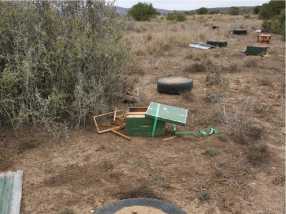
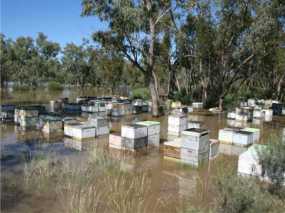
Hive losses are caused by a bunch of different problems, but they all lead back to the beekeeper having to either replace or fix their beehive. To make a living from beekeeping a beekeeper needs at least 50 hives, and ideally 200. In South Africa, estimates have beekeepers loosing up to 30% of their hives annually to theft, vandalism, fires, honey badgers, baboons, flooding, insect damage and general wear/tear. For a beekeeper with 100 hives this can amount to R400 000 in equipment costs, let alone the lost honey revenue and cost of replacing the swarm. With theft and vandalism on the rise many beekeepers have abandoned risky sites decreasing the national honey yields.
Adding fuel to the fire, cheap imports of low-quality or fake honey and adulteration of local honey has driven the honey price into the ground. At a time when beekeepers need to increase their prices to cover their basic costs, they are unable to do so for fear of loosing more business to the fraudulent honey market. These two wicked problems have driven hundreds of beekeepers out of the industry. Pollination, which used to be an added bonus to honey production has now become the mainstay for many beekeepers with honey production relegated to the latter role. While the research focused on South Africa, we have been astonished to find how similar the problems are in beekeeping industries around the world.


Hive Losses
The causes, frequency and costs of beekeepers having to fix or replace their beehives.

Honey Market
The price of honey and how unregulated imports and fraud means beekeepers can't afford to replace hives.
A Heavy Toll
These are images we collected demonstrating the devastating destruction that is too often visited on innocent bees and essential equipment.